
As the darker autumn and winter months arrive, the evenings draw in earlier, and lighting begins to play a much bigger role in how your home feels.
It’s no longer just about seeing what’s in front of you; it’s about creating a feeling. The gentle glow of a floor lamp, the upward wash from an uplighter, or the quiet shimmer of LED floor lighting can completely change the character of a room.
As lighting specialists, the team at AMOS Lighting share expert insight into how the right mix of light sources can shape tone and dimension, giving walls a softer presence and furniture a richer finish.
When planned well, floor lighting becomes the foundation of the atmosphere, guiding the eye, softening edges, and bringing a quiet sense of balance to a space.

Why Floor Lighting Deserves More Attention
Often overlooked, floor lighting is one of the most powerful tools in interior design, transforming how a space feels with just a soft, subtle glow.
While ceiling pendant lights or table lamps tend to take centre stage, it’s the gentle glow closer to the ground that quietly defines atmosphere and character.
With a little planning and placement, floor lights do far more than fill dark corners. They guide the eye, highlight texture, and add depth and dimension to your home.
In design, harmony comes from how light is layered. It’s the play between brightness and shadow, warmth and contrast, that makes a room feel comfortable and complete.
The right floor lamp brings that balance to life, pairing thoughtful design with purpose, adding just the right amount of depth to your space. Whether you want softness in the living room, intimacy in a reading nook, or structure within an open-plan area, floor lighting helps create the mood you’re after.

Understanding the Psychology of Light
Light has a powerful effect on how we feel. From lifting your spirits to helping you unwind, the way a room is lit influences emotion through brightness, colour, and tone.
Warm light feels relaxing and familiar, echoing the glow of firelight or sunset. It’s perfect for evenings, helping your body wind down naturally as it follows its circadian rhythm.
Cooler light, on the other hand, feels clear and energising. It’s great for focus and works best in home offices or rooms used during the day.
And it’s not just colour; the intensity of light matters too. Bright, even lighting feels open and airy, while softer levels of illumination create intimacy and calm. The most successful interiors balance these contrasts, layering gentle pools of light with brighter zones to create visual comfort and flow.
Lighting design is about more than we can see; it’s about how we respond to it. When used thoughtfully, it shapes our mood and behaviour, turning the simple act of switching on a lamp into something that feels instinctively human.
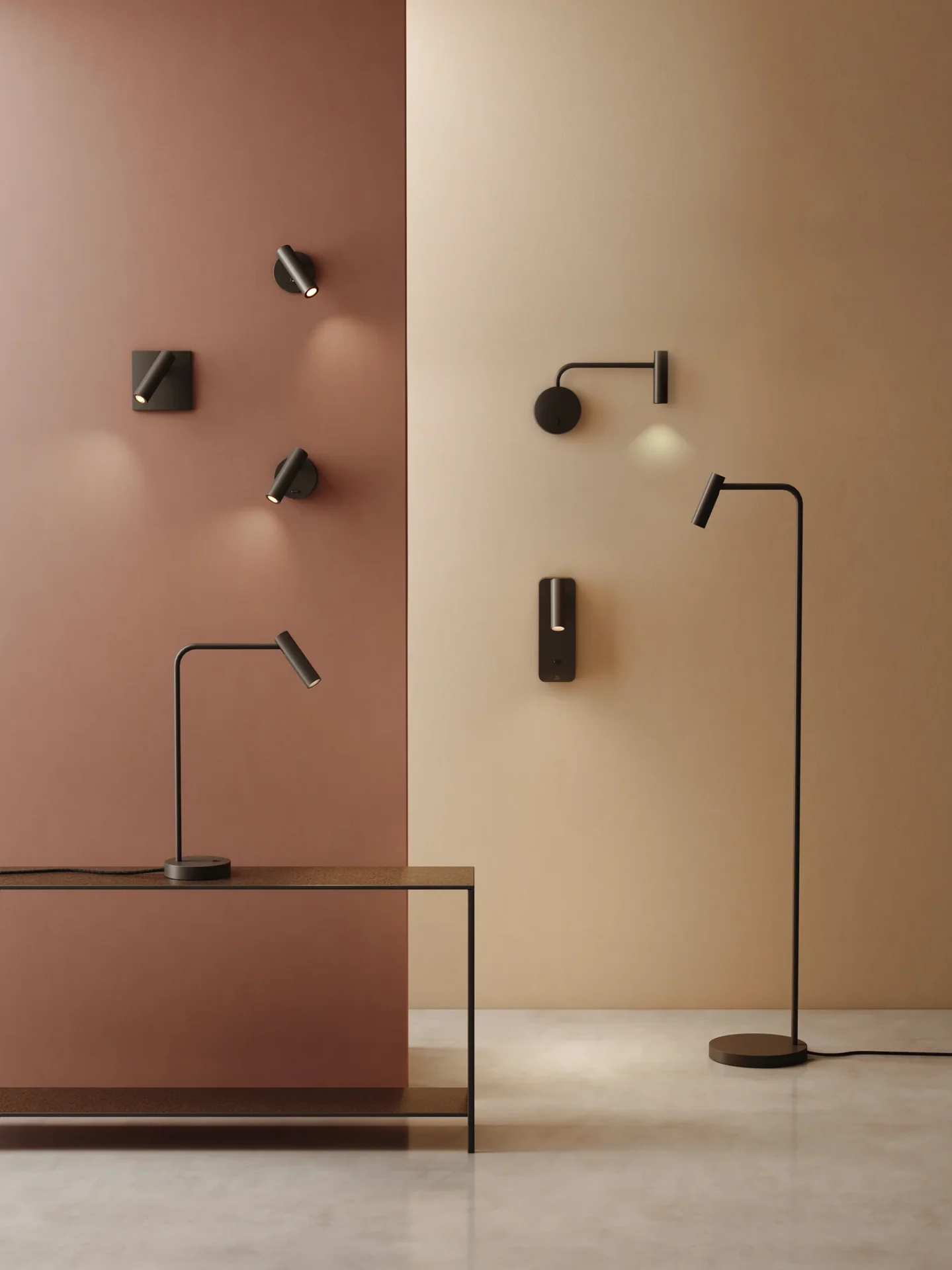
Room-by-Room: How to Use Floor Lighting in Your Home
Each room in your home has its own rhythm and purpose, and floor lighting helps to express that through tone, direction, and thoughtful placement.
Living Room
This is where layered lighting truly shines. Combine floor lamps with softer ambient light to bring warmth and depth to your space. Dimmable designs are ideal here, allowing you to move effortlessly from bright, social moments to soft, relaxed evenings.
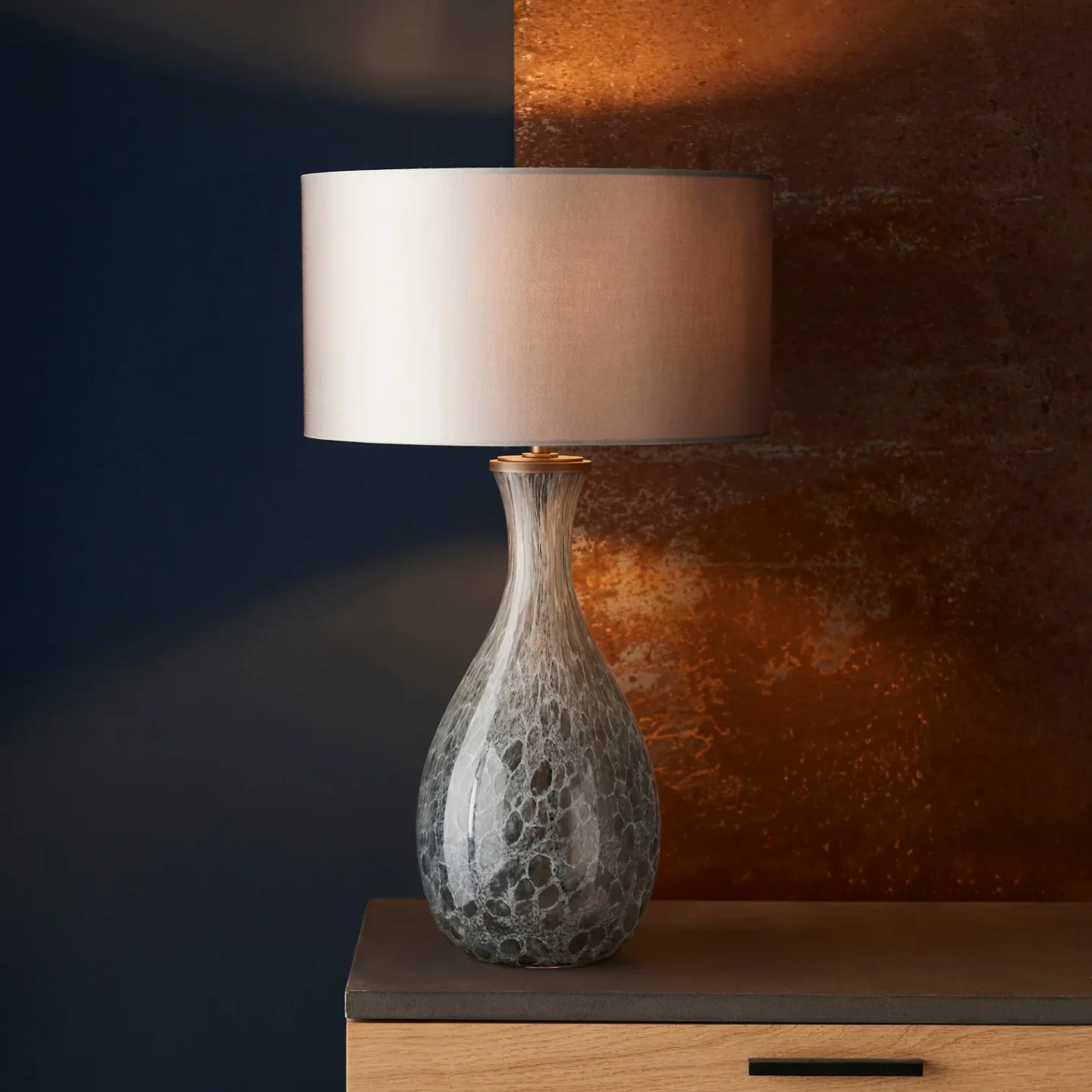
Bedroom
Calm and comfort are key in this space. Floor lamps with diffused shades create a gentle, restful glow that encourages relaxation before sleep. Choose warm tones that echo the natural fade of daylight to make winding down feel calm and unhurried.

Hallways and Entryways
These are the first impressions of your home. Directional lamps or uplighters can create a sense of welcome, while light cast across walls makes smaller spaces feel open and airy. Use them to highlight architectural details and guide the flow from one room to the next.
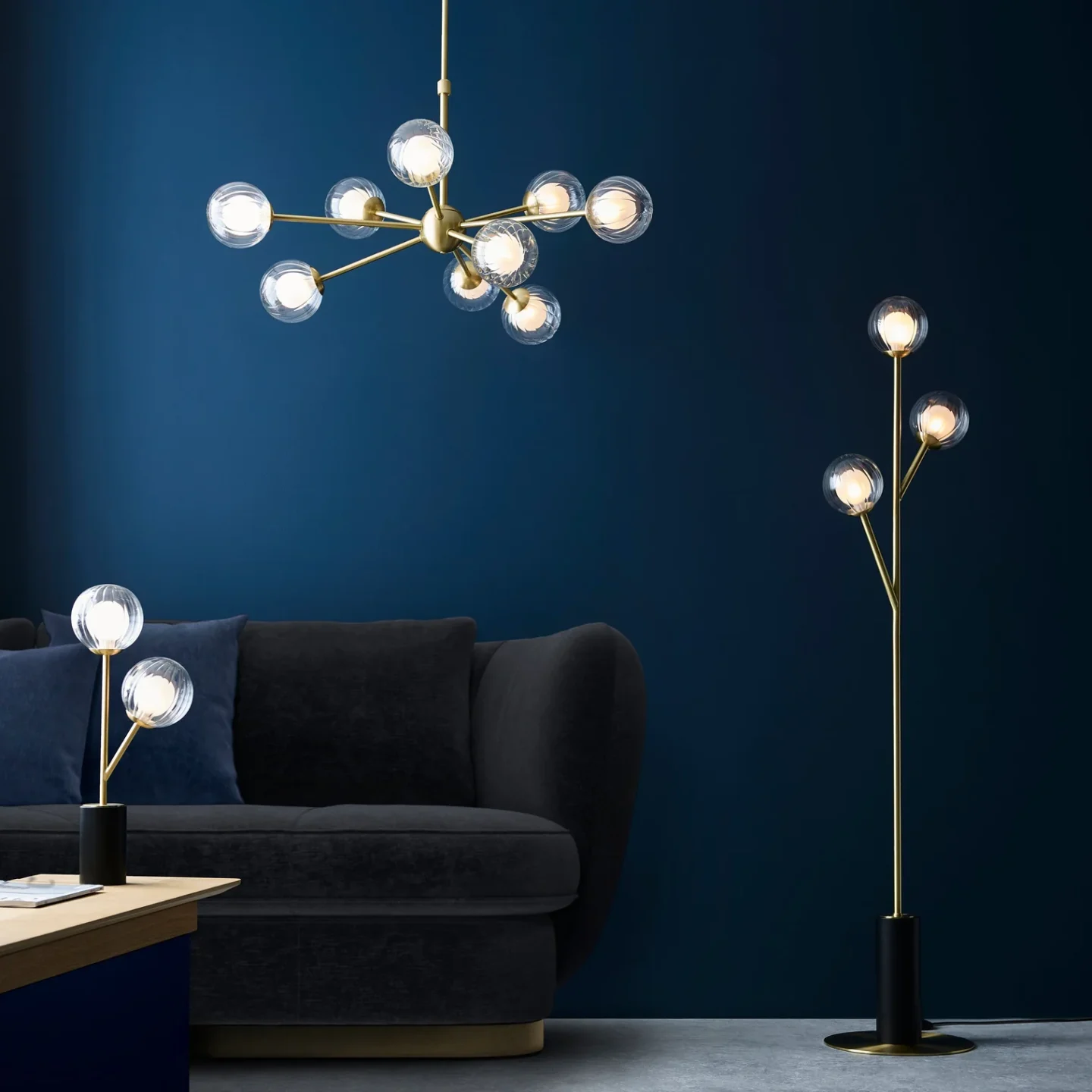
Home Office or Studio
Here, light should support clarity and concentration without feeling harsh. Cooler tones work best, while adjustable floor lamps provide bright, even illumination without glare. For smaller workspaces, desk lights work beautifully alongside floor lamps, offering precision lighting exactly where you need it.
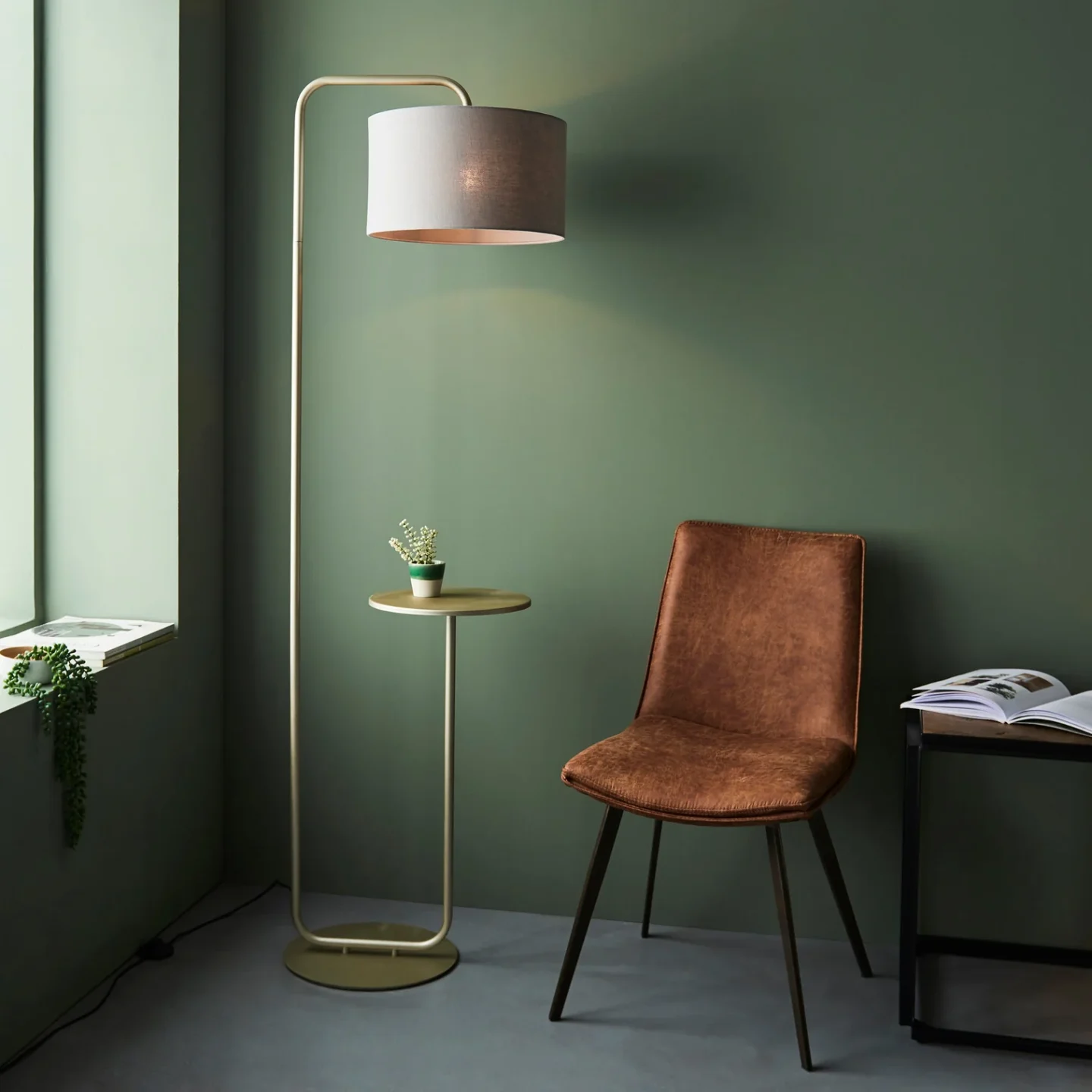
Commercial Spaces
In hospitality or retail, thoughtful floor lighting helps define areas and set the mood. Warm tones create comfort and a sense of welcome, while brighter, neutral light supports clarity and attentiveness. Thoughtful floor lighting design ensures that every area feels intentional and inviting.

