
10 Exciting Garden Trends for 2025 You Didn’t See Coming
As we move into 2025, gardens are becoming more than just places to plant flowers—they’re evolving into extensions of our homes and personal spaces for relaxation, creativity, and even sustainability. Whether you’re dreaming of a lush retreat, a space to grow your own food, or simply a stylish area to enjoy the outdoors, there’s a trend to suit every kind of gardener this year.
To find out what the top 10 garden trends of 2025 are, we interviewed Todd from Louisville Landscape Pros, a company that specializes in landscaping Louisville, KY residents’ homes and commercial spaces, along with other experts.
From bold colors and naturalistic planting to eco-friendly materials and wildlife-friendly designs, these trends reflect a shift towards more conscious and intentional gardening. Here’s a look at 10 exciting ideas to refresh your outdoor space, along with practical tips to help you bring them to life in your own garden.
Summary of 2025 Garden Trends:
- Naturalistic Designs – Embrace wild, organic layouts and native plants.
- Bold Colors and Textures – Add vibrancy with striking hues and foliage.
- Water-Wise Plantings – Use drought-resistant plants to conserve water.
- Living Fences – Grow natural privacy barriers with shrubs and climbers.
- Wellness Gardens – Create tranquil spaces for relaxation and mindfulness.
- Vertical Gardening – Maximize greenery in small spaces with wall planters.
- Edible Landscaping – Blend beauty and functionality with food-producing plants.
- Wildlife-Friendly Spaces – Encourage biodiversity with habitats for pollinators.
- Sustainable Materials – Opt for reclaimed and eco-friendly garden materials.
- Year-Round Gardening – Keep your garden lively with seasonal and evergreen plants.
1. Naturalistic Designs

The allure of untamed beauty is captivating gardeners worldwide. Naturalistic designs emphasize organic layouts, native plantings, and habitats that welcome wildlife, creating spaces that thrive with minimal intervention.
Top Tip: Start by incorporating native plants that are well-suited to your local climate. Allow certain areas to grow freely, encouraging a harmonious ecosystem that supports local fauna.
FURTHER READING <<Easy Ways to Create a Beautiful Low Maintenance Garden>>
2. Bold Colors and Textures

This year, gardens are embracing vibrant hues and diverse textures. Think of deep purples, fiery reds, and lush greens combined with plants that offer varied foliage and tactile experiences.
Top Tip: Introduce plants like cannas or agapanthus, known for their striking colors and structural leaves, to add depth and interest to your garden beds.
3. Water-Wise Plantings

With environmental concerns at the forefront, water-wise gardening has become essential. Selecting drought-tolerant species ensures a resilient garden that conserves water without compromising on beauty.
Top Tip: Incorporate plants such as lavender or succulents that require minimal watering. Mulching around plants can also help retain soil moisture.
4. Living Fences

Blending functionality with aesthetics, living fences made from shrubs, trees, or climbers provide privacy while enhancing biodiversity. They serve as natural barriers that evolve with the seasons.
Top Tip: Plant fast-growing species like bamboo or privet to establish a lush, green fence. Regular trimming will maintain the desired shape and density.
5. Wellness Gardens

Gardens are becoming personal retreats focused on mental and physical well-being. Incorporating elements like meditation zones, yoga platforms, or sensory plantings can create a therapeutic environment.
Top Tip: Designate a quiet corner of your garden for relaxation, adding comfortable seating and aromatic plants like jasmine or rosemary to stimulate the senses.
FURTHER READING <<GARDEN HANGOUT IDEAS>>
6. Vertical Gardening

Maximizing space, especially in urban areas, vertical gardening allows for lush greenery without a large footprint.
Including natural elements like vertical gardens, climbers and living fences in our outdoor spaces is gaining popularity. They not only bring about visual appeal and lushness but also offer functional benefits. One such innovative trend in this domain is using trellises, which can serve as elegant green partitions to enhance privacy while maintaining a sophisticated ambiance in your garden.
Top Tip: Install wall-mounted planters or trellises to support climbing plants like ivy or clematis, transforming bare walls into vibrant green spaces.
7. Edible Landscaping
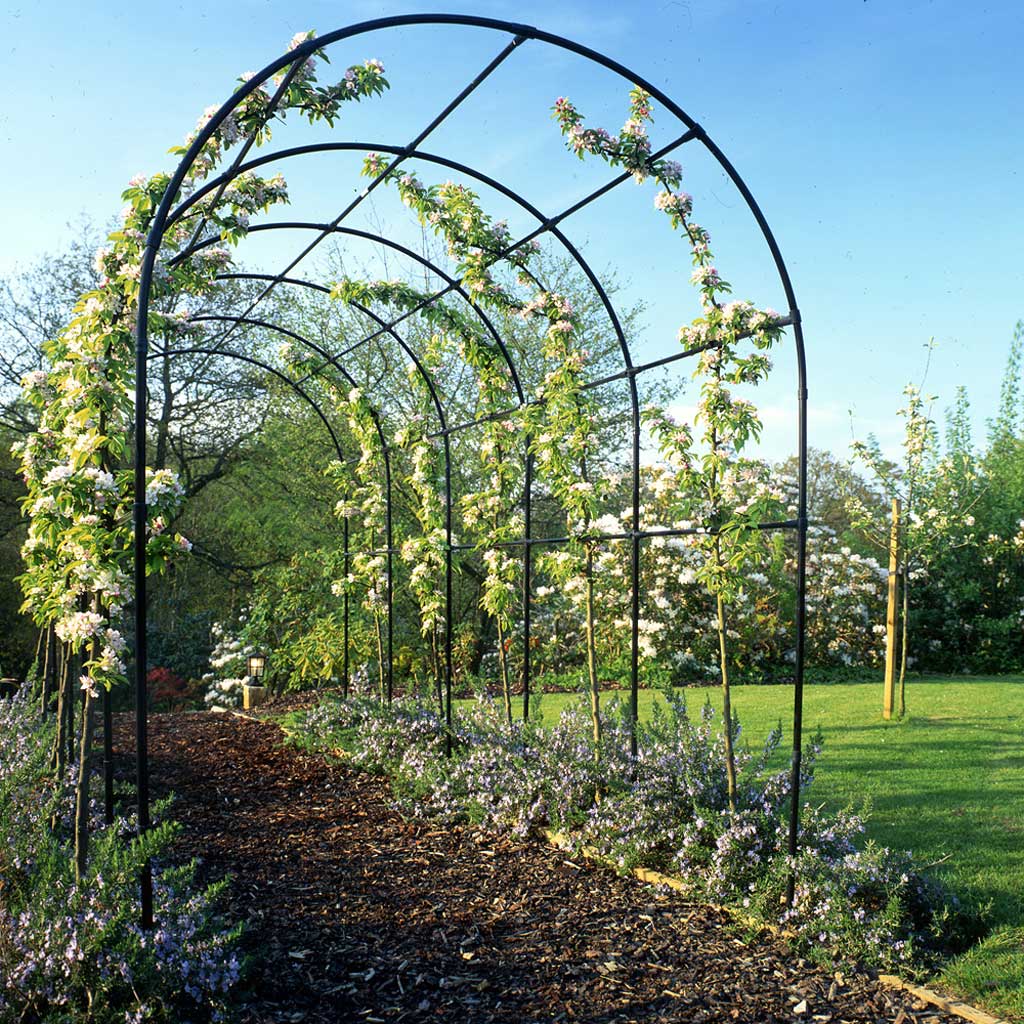
Combining aesthetics with practicality, edible landscaping integrates food-producing plants into ornamental gardens. This trend promotes sustainability and offers the joy of harvesting fresh produce.
Top Tip: Incorporate berry bushes or dwarf fruit trees into your garden beds, ensuring they complement existing ornamental plants.
8. Wildlife-Friendly Spaces

Creating habitats that support local wildlife enhances biodiversity and brings life to your garden. Features like birdhouses, bee hotels, and water sources invite various species to visit.
Top Tip: Plant a variety of flowering species that bloom at different times to provide continuous food sources for pollinators throughout the year.
FURTHER READING: << WHAT ARE THE MOST POPULAR GARDEN PLANTS >>
9. Sustainable Materials

Eco-conscious gardeners are opting for materials that have minimal environmental impact. Using reclaimed wood, recycled metal, or natural stone not only looks good but also supports sustainability.
Chloe James, interiors expert at Laura James says, “Sustainability continues to be a major focus in home and garden design, and this extends to outdoor furniture choices. Consumers are increasingly turning to long-lasting, eco-friendly materials that align with a more conscious way of living. Acacia wood is a personal favourite, with its distinctive visible grain and durable nature.”
Top Tip: Source materials from local suppliers to reduce transportation emissions and support the local economy.
10. Year-Round Gardening

With the right plant selections and gardening techniques, it’s possible to enjoy a vibrant garden throughout the year. This approach ensures continuous interest and supports local wildlife in all seasons.
Top Tip: Choose a mix of evergreen plants and seasonal bloomers to ensure your garden remains lively and engaging, even in the colder months.
FURTHER READING: << 7 WAYS TO MAKE THE MOST OF YOUR GARDEN ALL YEAR ROUND >>
Trends to Avoid in 2025
While embracing new trends, it’s equally important to recognize and steer clear of practices that may not serve our gardens or the environment well.
1. Overuse of Gravel
While gravel can be a low-maintenance option, excessive use can lead to sterile environments that don’t support local wildlife. It can also cause drainage issues if not properly installed.
2. Synthetic Lawns
Artificial turf may seem like a maintenance-free solution, but it offers no benefits to local ecosystems. It can contribute to heat buildup and doesn’t support soil health.
3. Monochromatic Plant Palettes
Gardens lacking diversity not only appear monotonous but also fail to support a wide range of pollinators and beneficial insects.
4. High-Maintenance Non-Native Plants
Plants not suited to your local climate can require excessive resources to maintain and may not thrive, leading to frustration and wasted effort.
5. Overly Manicured Lawns
Perfectly trimmed lawns often require significant water, fertilizers, and pesticides, which can harm the environment and reduce biodiversity.
By thoughtfully incorporating contemporary trends and avoiding outdated practices, you can create a garden that’s not only beautiful but also sustainable and in harmony with nature.


