
The evolution of interior design draws inspiration from surprising sources. One particularly intriguing influence on contemporary home styling comes from the world of luxury care facilities. These spaces blend sophisticated aesthetics with practical functionality in ways that perfectly align with modern homeowners’ priorities.

How have care home interiors evolved beyond institutional design?
Gone are the days when care homes featured clinical, institutional environments. Today’s premium care facilities represent the pinnacle of thoughtful design, creating spaces that feel simultaneously homely, luxurious, and supportive.
This transformation reflects growing recognition that our surroundings profoundly affect our wellbeing. Design elements once reserved for five-star hotels now feature prominently in premium care settings, with carefully considered lighting, tactile materials, and biophilic elements creating environments that nurture both body and spirit.

What design principles can homeowners borrow from luxury care facilities?
Multifunctional spaces that adapt to changing needs
One hallmark of exceptional care home design is creating versatile spaces that seamlessly transition between different functions. This approach resonates strongly with modern homeowners seeking flexible living environments.
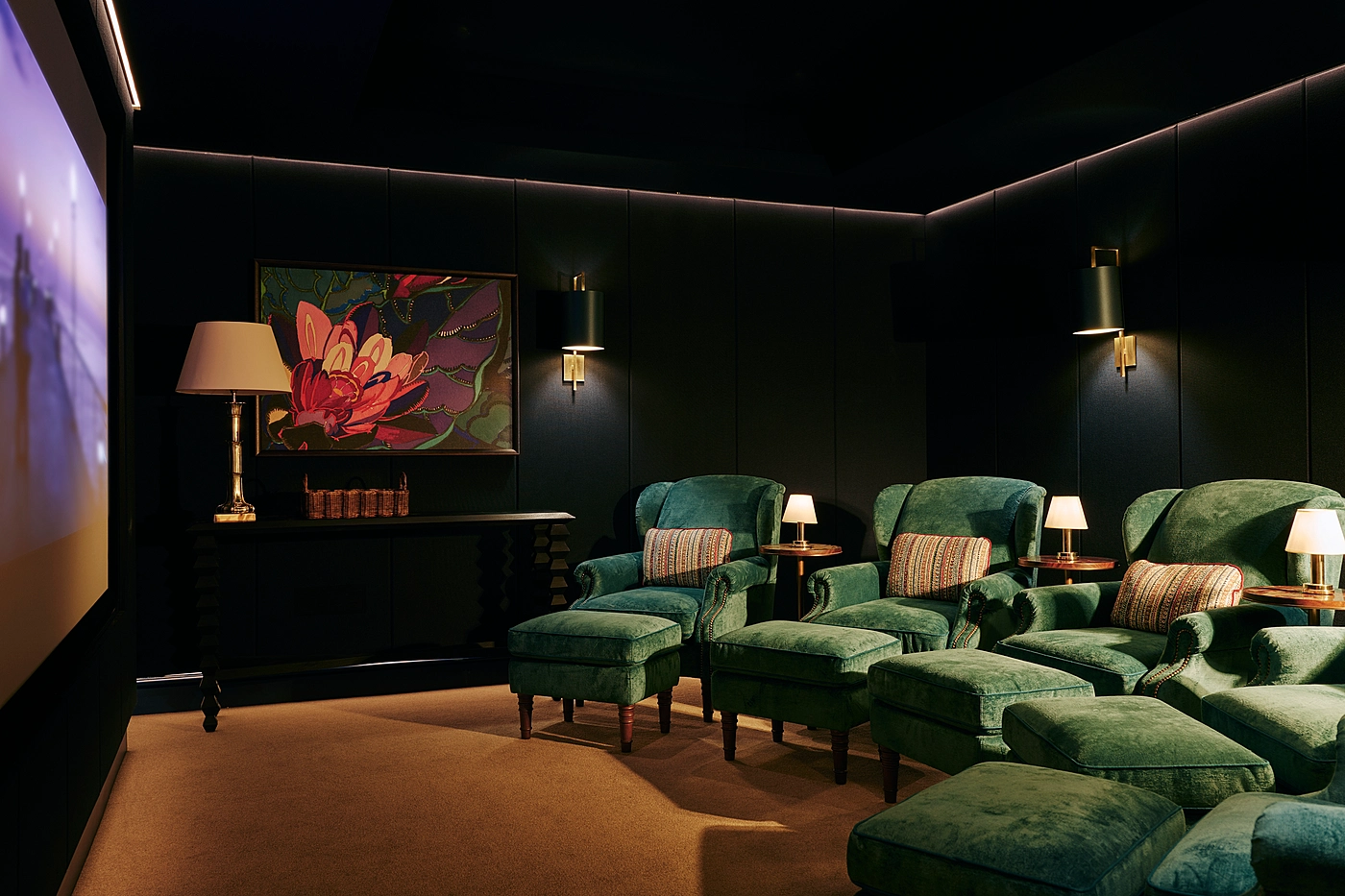
Consider how KYN Luxury Care Homes masterfully balance private retreats with communal gathering spaces. This philosophy translates beautifully to residential settings—perhaps through living rooms that effortlessly transform from family movie nights to sophisticated entertainment spaces, or home offices that double as guest rooms when needed.
Sensory-rich environments that stimulate and soothe
Luxury care facilities excel at creating multisensory environments that engage residents while providing comfort. This approach employs textural contrast, subtle scent layering, acoustic management, and strategic lighting to create spaces that feel alive and responsive.
At home, you might incorporate varied textures through layered textiles, introduce fragrant plants for natural aromatherapy, install dimmer switches for adaptable lighting, or use sound-absorbing materials to create acoustically comfortable spaces.
Seamless accessibility that benefits everyone
Perhaps the most valuable lesson from care home design is how thoughtful accessibility features can enhance everyone’s living experience. Features initially designed for those with mobility challenges—like zero-threshold showers, lever handles, and considered furniture heights—actually improve usability for all household members.
These elements, when executed with design excellence, become invisible enhancements rather than obvious adaptations. The result is a home that works better for current needs while adapting seamlessly to future requirements.
How does colour psychology feature in these designs?
Colour selection in premium care environments relies on evidence-based approaches to psychological impact. Rather than following fleeting trends, these spaces employ palettes proven to evoke specific emotional responses.
Soft blues and greens often feature in relaxation areas, promoting tranquility and stress reduction. Warmer tones like terracotta and amber energise dining and activity spaces, stimulating appetite and engagement. These principles can transform your home’s atmosphere, creating rooms that actively support their intended purpose.
What lighting approaches can enhance wellbeing at home?
Lighting in luxury care settings goes far beyond basic illumination to support natural circadian rhythms. This biodynamic approach uses changing light temperatures throughout the day—cooler, brighter light in morning spaces and warmer, softer illumination in evening areas.
Implementing similar principles at home might involve installing smart lighting systems that automatically adjust colour temperature, strategically placing lamps for layered lighting effects, or maximising natural light penetration through window treatments and reflective surfaces.
How can materials selection create healthier living environments?
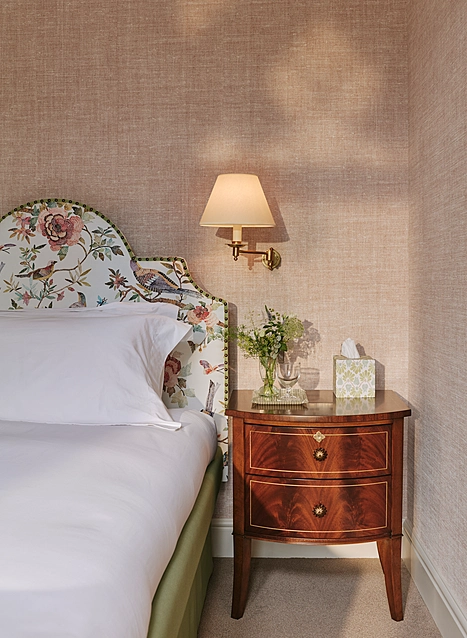
Material choices in premium care settings prioritise both aesthetics and wellness. Non-toxic finishes, antimicrobial surfaces, and natural materials create environments that are beautiful and health-supporting.
Consider incorporating these principles through formaldehyde-free cabinetry, VOC-free paints, natural fibre textiles, and solid wood furnishings. These choices create spaces that look exquisite while contributing positively to indoor air quality and overall wellbeing.
The design intelligence embedded in luxury care homes offers valuable lessons for creating residences that support changing needs while maintaining aesthetic excellence. By incorporating these principles, you can create a home that not only looks beautiful but actively enhances your daily experience and adapts gracefully to life’s evolving requirements.

Jen is an award winning digital publisher and has been creating interiors and home decor content for over 10 years.
She has an insatiable love of home interiors, has worked with hundreds of brands, and currently supports many bloggers within the creative industries to share their expertise through writing.
She spends most of her time in her little garden office pod, has 2 daughters and 2 (fighting) cats.
