
The Outdoor Furniture Trend That Looks Far More Expensive
Outdoor spaces have become far more design-led in recent years. Patios are no longer filled with flimsy folding chairs or plastic tables brought out for occasional use. Instead, gardens are starting to feel like a natural extension of the home, with carefully chosen furniture, layered textures and materials that are built to last.
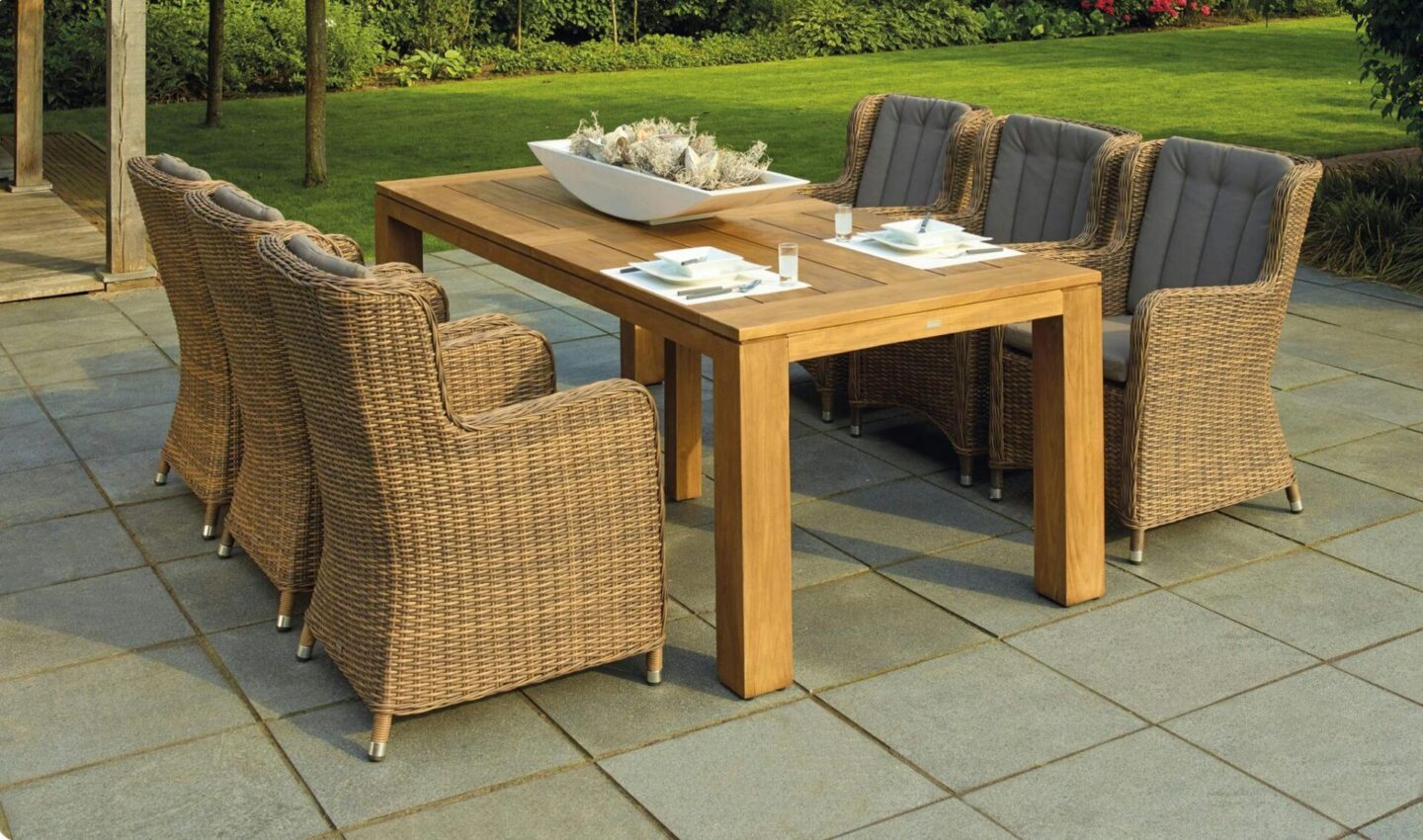
Photo by Marianne: https://www.pexels.com/photo/white-plates-on-table-238377/
One of the biggest shifts has been towards outdoor furniture that looks noticeably more premium than its actual price tag suggests. The trend is less about flashy styling and more about materials, proportions and finishes that create a polished, high-end look without requiring constant upkeep.
Rather than focusing purely on aesthetics, homeowners are paying more attention to durability, texture, structure and weather resistance. That combination is what gives modern outdoor furniture its more expensive appearance.
Why Outdoor Furniture Is Starting To Feel More Architectural
A major reason outdoor furniture looks more luxurious now is because manufacturers are moving away from overly decorative designs. Instead of thin frames, shiny plastics and bulky cushions, many collections are taking inspiration from indoor furniture and contemporary architecture.
Lower seating profiles have become especially popular in modern gardens. Deep lounge chairs, wide armrests and oversized sectionals create a calmer and more substantial appearance. Furniture with heavier proportions tends to look more expensive because it feels permanent rather than temporary.
Curved silhouettes are also becoming increasingly common. Rounded corners, sculptural chair frames and soft-edged coffee tables create a softer look outdoors and help patios feel more considered. This design approach appears regularly in newer outdoor collections because it mirrors the shapes currently dominating interior trends.
Another noticeable change is colour. Bright white plastic furniture has largely been replaced with muted tones such as stone, charcoal, sand, olive and warm taupe. These shades sit more naturally against planting, paving and timber decking, helping gardens feel cohesive rather than overly styled.
The Materials That Make Outdoor Furniture Look More Premium
Materials play a huge role in how expensive outdoor furniture appears. Some finishes instantly elevate a space simply because they age better and hold their structure over time.
Teak remains one of the most popular choices because it develops a natural silvered patina as it weathers. It also has enough density to resist moisture and movement during changing temperatures. Acacia and eucalyptus are also widely used in more affordable collections because they provide a similar warm timber appearance at a lower price point.
Alongside wood, powder-coated aluminium has become one of the defining materials in modern outdoor furniture. It offers a cleaner and more streamlined appearance than traditional steel while also resisting rust far more effectively in damp British weather. Thin aluminium frames combined with thick cushions create the kind of balanced contrast often associated with luxury outdoor spaces.
Another material growing rapidly in popularity is HDPE, particularly in outdoor dining sets and lounge chairs. HDPE furniture is made from high-density polyethylene, a durable recycled plastic material designed to withstand moisture, fading and temperature changes far better than traditional plastic garden furniture. It is also becoming increasingly popular among homeowners looking for alternatives to expensive designer outdoor brands, especially with the rise of premium-looking Polywood alternatives that offer a similar style and durability at a lower cost.
What makes these newer materials interesting is that many no longer resemble plastic at all. Improved manufacturing techniques mean HDPE furniture can now mimic painted timber, textured matte finishes and even lightly grained wood surfaces. This gives outdoor pieces a far more refined appearance while remaining relatively low maintenance.
That balance between practicality and appearance is becoming one of the defining themes in outdoor living. People want furniture that survives rain, UV exposure and cold winters without needing constant treatment or storage.
Why Heavy Furniture Often Looks More Expensive
Weight and stability are two details that subtly affect how outdoor furniture is perceived.
Lightweight plastic chairs that shift easily in the wind tend to feel temporary. Heavier furniture, however, creates a stronger sense of permanence and quality. Even visually, thick frames and solid tabletops give outdoor spaces a more grounded appearance.
Concrete-effect tables are a good example of this trend. Many newer outdoor dining tables use lightweight composite materials designed to imitate poured concrete without the excessive weight. These finishes add texture and a slightly architectural feel to patios while pairing particularly well with muted upholstery and natural planting.
Chunkier woven ropes are another detail associated with more premium outdoor collections. Earlier generations of rattan furniture often used thin synthetic weaves that faded or became brittle over time. Newer woven designs tend to use thicker ropes, softer textures and more open construction that feels cleaner and more contemporary.
Why Gardens Are Being Styled More Like Living Rooms
One of the biggest influences on outdoor furniture design has been the rise of indoor-outdoor living. Gardens are increasingly being treated as usable living spaces rather than separate areas reserved for summer.
That shift has changed the type of furniture people buy. Outdoor rugs, side tables, textured cushions and low coffee tables are now commonly used to create seating areas that resemble indoor lounges.
The furniture itself reflects this approach. Cushions are thicker, fabrics feel softer and layouts are designed around conversation rather than simply fitting as many seats as possible into a space.
Modular seating has become particularly popular because it allows homeowners to rearrange layouts depending on how the garden is being used. Larger sectionals can be separated into smaller seating groups or repositioned around fire pits and dining tables.
There is also a stronger focus on layering. Instead of relying on one matching furniture set, many outdoor spaces now combine timber, metal, woven textures and stone-effect finishes together. This layered approach tends to look more expensive because it feels collected over time rather than bought as a single package.
The British Weather Factor
British gardens place unique demands on outdoor furniture. Constant exposure to damp conditions, temperature changes and occasional heatwaves means materials need to be chosen carefully.
This is one reason low-maintenance furniture is becoming increasingly important. Furniture that requires sanding, staining or winter storage every year is gradually becoming less appealing for many households.
Powder-coated aluminium, HDPE and performance fabrics are all growing in popularity partly because they reduce ongoing maintenance while still looking polished.
Quick-drying foam cushions are another detail increasingly found in better-quality outdoor furniture. Traditional outdoor cushions often absorb moisture and take days to dry fully after rain. Modern quick-drain designs allow water to pass through more efficiently, helping furniture remain usable even during unpredictable weather.
This practical side of outdoor furniture is becoming just as important as appearance. The most successful outdoor spaces are now designed to work realistically within everyday British conditions rather than only looking good during short periods of summer sunshine.
The Shift Away From Disposable Garden Furniture
Perhaps the biggest reason modern outdoor furniture looks more expensive is because it is increasingly designed with longevity in mind.
There has been a noticeable move away from disposable seasonal furniture towards pieces intended to remain outdoors for years. More homeowners are willing to invest slightly more upfront in furniture that resists fading, rust and structural wear.
That does not necessarily mean spending luxury-level prices. In many cases, it simply means choosing better materials, stronger construction and simpler shapes that age more gracefully over time.
The overall trend is less about creating extravagant gardens and more about building outdoor spaces that feel calm, durable and genuinely usable. When furniture looks solid, textured and thoughtfully designed, the entire garden immediately feels more elevated.


